Introduction Camping in the great outdoors becomes even more enjoyable when you have simple, delicious meals to look forward to. Tasty one...

Introduction
Key Takeaways
- Easy-to-prepare one-pot camping meals
- Nourishing and satisfying vegetarian camping recipes
- Minimal cleanup and fuss after cooking
- Flavorful and wholesome camping food options
- Delicious one-pot vegetarian camping recipes
- Delicious and easy-to-prepare camping meals in one pot
- Nutritious and satisfying vegetarian camping recipes
- Low-mess and fuss-free one-pot camping meals
- Simple and quick cooking for camping
- Flavorful and wholesome camping food recipes
Jump to Recipes
1. Simple Lentil Salad 2. BBQ Tofu Skewers 3. Chickpea and Spinach Curry 4. Campfire Veggie Burgers 5. One-Pot Lentil and Vegetable Stew 6. Chickpea and Vegetable Curry 7. Bean and Corn Chili 8. Mushroom and Wild Rice Pilaf 9. Campfire Vegetable Paella 10. One-Pot Pasta Primavera 11. 15-minute Couscous with Mediterranean Vegetables 12. Instant Ramen Upgrade with Fresh Vegetables 13. Creamy Tortellini Pasta Salad 14. Campfire Cauliflower “Steaks” 15. Campfire Banana Bread 16. Campfire Banana Boats 17. One-Pot Chocolate CakeBenefits of One-Pot Cooking While Camping
One pot cooking is a convenient and efficient way to prepare meals while camping. It involves cooking all the ingredients in a single pot, saving time and reducing the number of dishes to clean. One-pot vegetarian camping recipes are not only easy to make but also provide a delicious and satisfying meal.Food Safety in Camping
Food safety is an important consideration when camping, as it can help foodborne illnesses and other health problems. Make sure to store food in airtight containers, and keep them in a cool, shaded area. Use a food thermometer to check the internal temperature of your meals, and cook them to a safe temperature to kill any dangerous bacteria.Why Vegetarian Meals Make Perfect Camping Food?
Essential Gear for One-Pot Vegetarian Camping Meals
Cooking delicious vegetarian meals in one pot while camping requires some essential gear. The right equipment can make all the difference in preparing tasty and nourishing meals.Selecting the Right Pot or Pan
Choosing the right pot or pan is crucial for one-pot vegetarian camping meals. Look for a pot that is large enough to accommodate all the ingredients, and one that can be used on both a campfire and a camp stove. Cast iron and stainless steel pots are great options, as they are durable and can withstand high heat. Consider getting a pot with a lid to help retain heat and moisture, and a non-stick coating to make cleanup easier.Heat Sources: Campfire or Camp Stove
Heat sources are another essential gear for one-pot vegetarian camping meals. A campfire is a great option for cooking over an open flame, but it can be messy and requires more cleanup. A camp stove is more convenient and easier to use, and it can also be more fuel-efficient. Choose a stove that is lightweight and compact, and make sure it has enough burners to cook all the ingredients. |
Additional Tools to Have on Hand While Camping
In addition to a pot or pan and a heat source, there are some other implements and tools that are essential for one- pot vegetarian camping. A spatula, tongs,lighter and cooking ladles are must have as they make it easy to stir, flip, and serve the food. A can opener and a cutter are also useful for opening cans and preparing ingredients. Consider getting a multi-tool or pocket knife for added versatility, and don’t forget to pack plates, bowls, and implements for serving and eating.
Meal Planning and Preparation for Vegetarian Camping
Planning and preparing your vegetarian camping meals in advance can make your trip much easier and further pleasurable. Proper planning ensures that you have the necessary ingredients and outfit, and it can also help you avoid food safety issues. Meal planning is absolutely crucial when going on a camping trip. If you don't do it, you could end up in a lot of trouble because you might not find any place to buy supplies during your journey. Additionally, don't forget to carry plenty of water with youPre-Trip Tips for Meal Planning
Meal planning before your camping trip can help you make the utmost of your time in the great outdoors. Start by making a list of the meals you plan to cook, and also check your pantry and refrigerator for ingredients that you formerly have. Consider one- pot dishes that are easy to make and bear minimum cleanup. Pack ingredients in resealable bags or holders, and include packing tips like using a water filter or purification tablets to ensure safe drinking water.
Breakfast, Lunch, Dinner Planning
Breakfast
Lunch
storage tips results for fresh produce. Proper storage tip is crucial to keeping your fresh produce fresh during your camping trip. Here are some tips for storing your fresh yield
insulated coolers with ice packs can help keep perishable items fresh.
For non-perishable items, use watertight containers to protect them from the pests and moisture.
Consider incorporating dried or canned goods into your meal planning to reduce the need for fresh produce.
Protein- Packed Lunch Recipes
When you’re camping, a satisfying lunch can be a highlight of the day. You need a meal that’s both nutritious and easy to prepare. These protein- packed recipes will give you the energy you need to explore, hike and enjoy nature, With fresh ingredients and simple cooking methods, these dishes are sure to become your new camping favorites.Dinner
One-Pot Vegetarian Camping Recipes to Try
Vegetarian Bean and Cheese Quesadillas
One- Pot Vegetarian Lasagna
One- Pot Vegetable Stir- Fry
One- Pot Lentil and Vegetable Curry
One- Pot Vegetarian Pasta
One- Pot Vegetarian Tacos
One- Pot Vegetarian Pizza
One- Pot Vegetarian Rice and Beans
1.Simple Lentil Salad

When you're out in the great outdoors, easy and delicious meals are key to a stress-free camping experience. One-pot vegetarian camping recipes are a popular choice because they’re quick to prepare, require minimal cleanup, and still deliver great flavor. These meals provide the energy your body needs while keeping cooking simple and hassle-free.
Cooking vegetarian food while camping is both enjoyable and rewarding. It allows you to connect with nature while enjoying nourishing, wholesome meals. Dishes like lentil-based recipes are especially ideal, as lentils are rich in plant-based protein, cook quickly, and pair well with fresh vegetables for a tasty, satisfying meal.
Ingredients.
- 1 mug dried lentils
- 2 mugs water or vegetable broth
- 1 cucumber, diced
- bell pepper, diced
- 1/ 2 red onion, diced
- 1 tablespoon
- 1 teaspoon lime juice
- Salt and pepper to taste
Cooking Instructions
- Bring lentils, water, and vegetable broth to a boil in a pot. Reduce heat and poach for 15 minutes or until lentils are tender.
- Drain any excess water and allow lentils to cool.
- In a large bowl, add cooled lentils with diced cucumber, bell pepper, and red onion.
- In a separate small bowl, whisk together olive oil , lime juice swab, and pepper.
- Pour the dressing over the lentil and vegetable mixture and toss to combine.
Nutritional Information
- Calories: ~220–280 kcal
- Protein: ~12–16 g
- Carbohydrates: ~30–40 g
- Dietary Fiber: ~10–15 g
- Fat: ~6–10 g
- Saturated Fat: ~1–2 g
- Sodium: ~200–400 mg (depends on added salt)
- Sugar: ~2–5 g
💪 Key Nutritional Benefits
- High in plant-based protein → supports muscle repair
- Rich in fiber → aids digestion and keeps you full
- Low in fat → heart-friendly meal
- Packed with vitamins & minerals (iron, folate, potassium)
🧠 Notes
- Values may vary depending on ingredients (oil, dressing, vegetables).
- Adding olive oil or extra toppings will increase calories and fat.
- Using fresh vegetables boosts vitamins and antioxidants.
Variations and Tips
2.BBQ Tofu Skewers

Ingredients
One package of extra-firm tofu, pressed dry and diced.
- 2 cup BBQ sauce
- 1 red bell pepper, cut into pieces
- onion, cut into pieces
- wooden skewers, soaked in water for 30 mins
Instructions
- In a bowl, Mix tofu with BBQ sauce. marinate for 30 minutes
- Preheat a grill or campfire to medium heat.
- Assemble skewers by threading tofu, red bell pepper, and onion into wooden skewers.
- Place skewers on the grill or over the campfire and cook for about 10 mins.
Nutritional Information
- Calories: ~180–250 kcal
- Protein: ~12–18 g
- Carbohydrates: ~10–20 g
- Dietary Fiber: ~2–4 g
- Fat: ~10–16 g
- Saturated Fat: ~2–3 g
- Sodium: ~300–600 mg (depends on BBQ sauce)
- Sugar: ~6–12 g (from BBQ sauce)
💪 Key Nutritional Benefits
- High in plant-based protein → supports muscle health
- Rich in calcium & iron (from tofu)
- Good source of energy from healthy fats and carbs
- Vegetarian & filling → ideal for camping meals
🧠 Notes
- Nutritional values vary based on BBQ sauce and portion size
- Using low-sugar BBQ sauce reduces calories and sugar
- Adding more vegetables (peppers, onions, zucchini) increases fiber and nutrients
Variations and Tips
3.Chickpea and Spinach Curry
 This chickpea and spinach curry is a simple one-pot vegetarian dish made with protein-rich chickpeas, fresh spinach, and aromatic spices. It is an ideal camping recipe because it is easy to prepare, filling, and nutritious, making it perfect for outdoor cooking and meal planning.

Ingredients
- Drain and wash one can of chickpeas.
- 1can minced tomatoes
- 1 cup fresh spinach
- 1 teaspoon curry powder
- 1 teaspoon olive oil
- salt and pepper to taste
Instructions
- Heat olive oil in a pot over medium heat.
- Add curry powder and sauté for 1- 2 mins until fragrant
- Add the spinach and sauté just until it loses its crunch.
- Season with salt and pepper.
🌿 Chickpea and Spinach Curry – Nutritional Information
- Calories: ~250–350 kcal
- Protein: ~10–15 g
- Carbohydrates: ~30–45 g
- Dietary Fiber: ~8–12 g
- Fat: ~10–18 g
- Saturated Fat: ~6–10 g (mainly from coconut milk)
- Sodium: ~300–700 mg (depends on salt & canned ingredients)
- Sugar: ~4–8 g
💪 Key Nutritional Benefits
- High in plant-based protein → supports muscle health
- Rich in fiber → improves digestion and keeps you full
- Good source of iron & folate → supports energy levels
- Contains healthy fats (from coconut milk) for sustained energy
🧠 Notes
- Nutritional values vary based on portion size and ingredients
- Using light coconut milk reduces fat and calories
- Adding extra vegetables increases vitamins and minerals
Variations and Tips
4.Campfire Veggie Burgers

These veggie burgers are made with black beans and oats, giving you a high protein, satisfying lunch.
Ingredients
- 1 can black beans, drained and rinsed
- 1 cup rolled oats
- 1/2 cup onion, finely diced
- garlic clove, diced
- teaspoon olive oil
- salt and pepper to taste
- Lettuce, tomato, and burger buns
Instructions
- In a bowl, crush black beans until mostly smooth with some pieces remaining.
- Add oats, onion, and garlic. Mix until well combined.
- Form the mixture into patties and toast a skillet over medium heat.
- Cook patties for about 5 minutes on each side or until golden brown.
- Add salt and pepper to taste.
🌿 Campfire Veggie Burgers – Nutritional Information
(Approximate values per 1 veggie burger patty with bun and basic toppings)
- Calories: ~300–420 kcal
- Protein: ~10–16 g
- Carbohydrates: ~35–50 g
- Dietary Fiber: ~6–10 g
- Fat: ~10–18 g
- Saturated Fat: ~2–5 g
- Sodium: ~400–800 mg (varies with sauces and seasoning)
- Sugar: ~4–10 g
💪 Nutritional Highlights
- Provides a balanced mix of carbs, protein, and fats for energy
- Plant-based protein helps support muscle repair and recovery
- High fiber content improves digestion and keeps you full longer
- Contains vitamins and minerals from vegetables and legumes
🧠 Notes
- Values may change depending on the type of bun, toppings, and sauces used
- Whole grain buns increase fiber content
- Homemade patties allow better control over sodium and fat levels.
Variations and Tips
Include different beans, grains, or veggies like quinoa, brown rice, or mushrooms. experiment with spices like cumin, chili powder, or paprika. Try grilling the burgers for a smoky flavor or cook them over a campfire.
5.One- Pot Lentil and Vegetable Stew
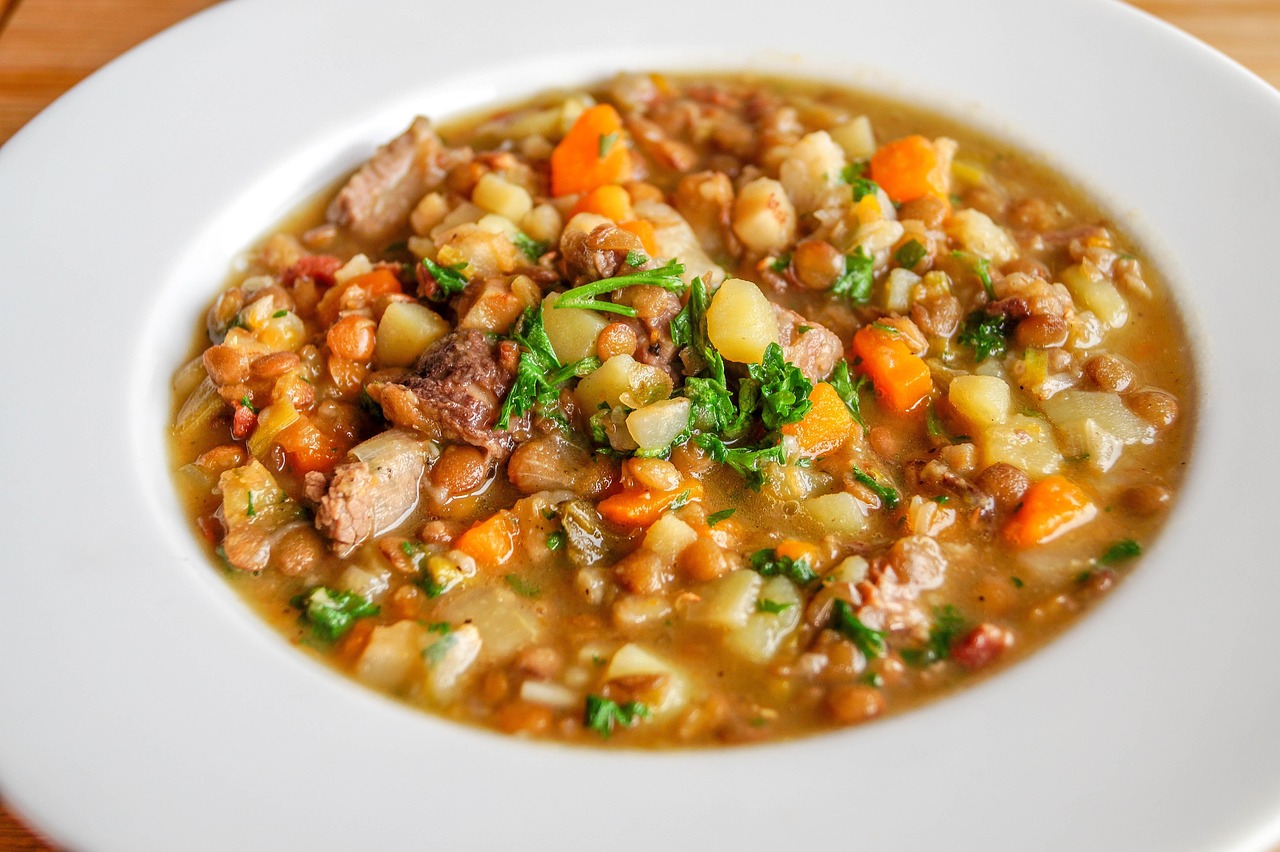
Ingredients
- 1 cup dried green or brown lentils, rinsed and drained
- 1cup water or vegetable broth
- 1 onion, diced
- cloves garlic, diced
- carrots peeled and diced
- 1cup minced tomatoes
- 1 tablespoon dried thyme
- salt and pepper to taste
Instructions
- Heat oil in a large pot over medium heat.
- Cook the onion and garlic until they are fragrant and softened
- Combine the lentils, broth, carrots, crushed tomatoes, and thyme in the pot.
- Bring to a boil, also reduce heat and simmer for 30- 40 minutes or until the lentils are tender.
- Season with salt and pepper to taste.
🌿 One-Pot Lentil and Vegetable Stew – Nutritional Information (approximate values per 1 serving)
- Calories: ~220–320 kcal
- Protein: ~12–18 g
- Carbohydrates: ~30–45 g
- Dietary Fiber: ~10–14 g
- Fat: ~4–10 g
- Saturated Fat: ~0.5–2 g
- Sodium: ~250–600 mg (depends on added salt/broth)
- Sugar: ~5–9 g (naturally from vegetables)
💪 Nutritional Highlights
- Provides a balanced mix of carbs, protein, and fats for energy
- Plant-based protein helps support muscle repair and recovery
- High fiber content improves digestion and keeps you full longer
- Contains vitamins and minerals from vegetables and legumes
🧠 Notes
-
Values may change depending on the type of bun, toppings, and sauces used
-
Whole grain buns increase fiber content
-
Homemade patties allow better control over sodium and fat levels
Variations and Tips
6.Chickpea and Vegetable Curry

This curry is another great one- pot lunch recipe, packed with protein and fiber.
Ingredients
- One can of chickpeas, washed and drained.
- onion, diced
- cloves garlic, diced
- 1 cup mixed vegetables( similar as bell peppers, carrots, potatoes)
- 1 can coconut milk
- 2 table of curry powder
- salt and pepper to taste
Instructions
1. Sauté the onion and garlic in a little oil until softened.
2. Add the mixed vegetables and cook for a few minutes.
3. Stir in the chickpeas, curry powder, and coconut milk.
4. Bring to a simmer and cook until the vegetables are tender.
5. Season with salt and pepper to taste.
🌿 Chickpea and Vegetable Curry – Nutritional Information (approximate values per 1 serving)
- Calories: ~260–360 kcal
- Protein: ~9–14 g
- Carbohydrates: ~30–45 g
- Dietary Fiber: ~8–12 g
- Fat: ~10–18 g
- Saturated Fat: ~5–9 g (from coconut milk, if used)
- Sodium: ~300–700 mg (depends on salt and canned ingredients)
- Sugar: ~5–9 g
💪 Key Nutritional Benefits
- Good source of plant-based protein from chickpeas
- High in fiber → supports digestion and fullness
- Rich in vitamins & minerals from mixed vegetables
- Provides steady energy for outdoor activities
🧠 Notes
- Values vary depending on ingredients and portion size
- Use light coconut milk to reduce fat and calories
- Adding more vegetables boosts nutrient content
Variations and Tips
You can make the curry gamy or milder depending on your taste by adding more or less curry powder. You can also add spinach or kale towards the end of cooking for a fresh nutritional boost.
7.Bean and Corn Chili

This vegetarian chili is a hearty and comforting camping meal that's perfect for a cold day or as a satisfying lunch after a morning hike.
ingredients
- 1 can kidney beans, drained and rinsed
- can black beans, drained and rinsed
- 2cup corn kernels
- 1 onion, diced
- cloves garlic, diced
- can minced tomatoes
- 1 teaspoon chili powder
- salt and pepper to taste
Instructions
- Cook the onion and garlic until they are clear and soft.
- Add the beans, corn, minced tomatoes, and chili powder.
- Stir well and bring to a simmer.
- Let it cook for 20- 30 minutes, stirring sometimes.
- Add a pinch of salt and a dash of pepper to taste.
🌿 Bean and Corn Chili – Nutritional Information
- Calories: ~240–340 kcal
- Protein: ~10–15 g
- Carbohydrates: ~35–50 g
- Dietary Fiber: ~10–14 g
- Fat: ~5–10 g
- Saturated Fat: ~1–2 g
- Sodium: ~350–750 mg (depends on canned beans & seasoning)
- Sugar: ~6–10 g
💪 Key Nutritional Benefits
- High in plant-based protein from beans
- Rich in fiber → supports digestion and keeps you full longer
- Good energy source from complex carbohydrates
- Contains essential minerals like iron, potassium, and magnesium
🧠 Notes
- Values may vary based on ingredients and portion size
- Rinsing canned beans can reduce sodium
- Adding extra vegetables increases nutrients and fiber
Variations and Tips
For a smoky flavor, add a chipotle pepper in adobo sauce. You can also customize the chili by adding other vegetables or using different types of beans.
Satisfying Dinner Options for Hungry Campers
Hearty, flavorful one-pot dinners are the perfect way to refuel after a day spent in the great outdoors. Camping doesn’t mean you have to sacrifice flavor or quality when it comes to meals. Here are several delicious one-pot dinner recipes that are sure to satisfy even the hungriest campers.
8.Mushroom and Wild Rice Pilaf 

This earthy and nutty pilaf is a perfect one-pot dinner that will leave you feeling satisfied and full.
Ingredients
- 1 cup wild rice
- 2 cups water or vegetable broth
- 1 tablespoon olive oil
- 1 small onion, diced
- 2 cups mixed mushrooms
- 1 teaspoon dried thyme
- Salt and pepper to taste
Cooking Instructions
- Place a large pot over medium heat and add the olive oil.
- Add the diced onion and sauté until softened.
- Add the mushrooms
- Add the wild rice, water or broth, and thyme. Bring the mixture to a boil, then lower the heat, cover, and simmer for 40-45 minutes until the rice is soft.
🌿 Mushroom and Wild Rice Pilaf – Nutritional Information
-
Calories: ~220–300 kcal
-
Protein: ~6–10 g
-
Carbohydrates: ~35–45 g
-
Dietary Fiber: ~4–7 g
-
Fat: ~5–10 g
-
Saturated Fat: ~1–2 g
-
Sodium: ~200–500 mg (depends on broth and seasoning)
-
Sugar: ~2–4 g
💪 Key Nutritional Benefits
-
Good source of complex carbohydrates → provides steady energy
-
Contains plant-based protein from rice and mushrooms
-
Rich in fiber → supports digestion
-
Mushrooms provide antioxidants and essential nutrients
🧠 Notes
-
Nutritional values may vary based on ingredients and portion size
-
Using low-sodium broth helps control sodium levels
-
Adding nuts or beans can increase protein content
Variations and Tips
To add protein, include cooked vegetarian sausage or tofu. Customize the dish with your favorite mushrooms or add some dried cranberries for a sweet contrast.
9.Campfire Vegetable Paella

A classic Spanish dish that is easily adapted for camping and can be made with a variety of vegetables.
Ingredients
- 1 cup uncooked Arborio rice
- 2 cups water or vegetable broth
- 1 tablespoon olive oil
- 1 small onion, diced
- 2 cloves garlic, minced
- 1 cup of chopped mixed vegetables, such as zucchini, cherry tomatoes, and bell peppers.
- 1 teaspoon smoked paprika
- Salt and pepper to taste
🍳 Preparation (Step-by-Step)
- Heat olive oil in a large pan or pot over a campfire or stove
- Add chopped onion and garlic, sauté until soft and fragrant
- Stir in mixed vegetables (bell peppers, tomatoes, zucchini, etc.)
- Cook for a few minutes until vegetables begin to soften
- Add rice and mix well to coat with oil and flavors
- Pour in vegetable broth or water
- Add spices (smoked paprika, salt, pepper)
- Bring to a boil, then reduce heat to a simmer
- Cover and cook until the rice is tender and liquid is absorbed (about 20–25 minutes)
- Stir occasionally to prevent sticking
- Taste and adjust seasoning if needed
- Remove from heat and let it rest for a few minutes before serving
Nutritional Information
(Approximate values per 1 serving)
- Calories: ~250–350 kcal
- Protein: ~6–10 g
- Carbohydrates: ~40–55 g
- Dietary Fiber: ~4–8 g
- Fat: ~6–12 g
- Saturated Fat: ~1–2 g
- Sodium: ~250–600 mg
- Sugar: ~4–7 g
💪 Key Nutritional Benefits
- Rich in complex carbohydrates → provides steady energy
- Contains plant-based protein from vegetables and optional legumes
- Good source of fiber → supports digestion
- Packed with vitamins and antioxidants from colorful vegetables
🧠 Notes
- Nutritional values vary based on ingredients and portion size
- Adding chickpeas or beans increases protein content
- Using low-sodium broth helps reduce sodium levels
Variations and Tips
For a smoky flavor, add a chipotle pepper in adobo sauce. You can also customize the chili by adding other vegetables or using different types of beans.
Satisfying dinner Options for hungry campers.
Hearty, luscious one- pot feasts are the perfect way to refuel after a day spent in the great outdoors. Camping does not mean you have to sacrifice flavor or quality when it comes to meals, also are three succulent one- pot dinner recipes that are sure to satisfy indeed the hungry campers.
10.One- Pot Pasta Primavera

This bright and succulent pasta dish is perfect for camping and enjoying the flavors of spring.
Ingredients
8 oz pasta of your choice
2 cups mixed spring vegetables( such as cherry tomatoes, broccoli, carrots)
1 cup vegetable broth
1 teaspoon olive oil
1 clove garlic, diced
1 tablespoon dried basil
salt and pepper to taste
Grated Parmesan cheese( voluntary)
Instructions
- Heat the olive oil in a large pot over medium heat.
- Add the garlic and sauté for a minute.
- Add the mixed vegetables and cook until they start to soften.
- Add the pasta, vegetable broth, and basil. Bring to a boil, also reduce the heat to low and simmer, covered, until the pasta is al dente.
🌿 One-Pot Pasta Primavera – Nutritional Information(approximate values per 1 serving)
- Calories: ~300–420 kcal
- Protein: ~10–16 g
- Carbohydrates: ~45–60 g
- Dietary Fiber: ~5–9 g
- Fat: ~8–14 g
- Saturated Fat: ~2–4 g
- Sodium: ~300–700 mg (depends on sauce and seasoning)
- Sugar: ~5–10 g (from vegetables and sauce)
💪 Key Nutritional Benefits
- Balanced meal with carbs, protein, and fats
- Rich in vitamins and minerals from fresh vegetables
- Provides energy for outdoor activities
- Can be made lighter or richer depending on sauce used.
🧠 Notes
- Nutritional values vary based on pasta type and portion size
- Whole wheat pasta increases fiber content
- Adding beans or tofu boosts protein
Variations and tips
You can use any combination of spring vegetables you prefer. For a spare kick of flavor, add some lime juice or tang at the end of cuisine. Top with Parmesan cheese for added creaminess.
11.15-minute Couscous with Mediterranean Vegetables

Ingredients
- 1 cup couscous
- 1 cup boiling water
- 1 teaspoon olive oil
- 1 cup mixed Mediterranean vegetables( cherry tomatoes, bell peppers, olives, etc.)
- 1 tablespoon dried oregano
- salt and pepper to taste
Instructions
- Pour boiling water over couscous and let it bloom for 5 minutes.
- Heat olive in a pan and sauté the Mediterranean vegetables.
- Fluff the couscous with a chopstick and blend with the vegetables.
- Season with oregano,salt,and pepper.
🌿 15-Minute Couscous with Mediterranean Vegetables – Nutritional Information (approximate values per 1 serving)
- Calories: ~250–350 kcal
- Protein: ~7–11 g
- Carbohydrates: ~40–55 g
- Dietary Fiber: ~4–7 g
- Fat: ~6–12 g
- Saturated Fat: ~1–2 g
- Sodium: ~250–600 mg (depends on seasoning and broth)
- Sugar: ~5–9 g
💪 Key Nutritional Benefits
- Quick energy source from couscous (carbohydrates)
- Rich in vitamins and antioxidants from Mediterranean vegetables
- Contains moderate plant-based protein
- Light and easy to digest, ideal for quick meals
Variations and Tips
12.Instant Ramen Upgrade with Fresh Vegetables

Ingredients
- 1 package instant ramen
- 1 cup mixed fresh vegetables( bean sprouts, carrots, green onions, etc.)
- 1 teaspoon soy sauce
- 1 tablespoon sesame oil
- Pinch of salt
Cooking Instructions
- Make the noodles according to the package directions.
- Add fresh vegetables and stir for 2 minutes.
- Season with soy sauce and sesame oil and pinch of salt.
🌿 Instant Ramen Upgrade with Fresh Vegetables – Nutritional Information (approximate values per 1 serving)
- Calories: ~300–450 kcal
- Protein: ~8–14 g
- Carbohydrates: ~45–65 g
- Dietary Fiber: ~4–8 g
- Fat: ~8–16 g
- Saturated Fat: ~2–5 g
- Sodium: ~800–1500 mg (can be high due to seasoning packet)
- Sugar: ~3–8 g
💪 Key Nutritional Benefits
- Quick energy source from noodles (carbohydrates)
- Improved nutrition with added fresh vegetables
- Moderate protein depending on additions like tofu or eggs (if used)
- Customizable meal → can be made healthier by controlling ingredients
🧠 Notes
- Instant ramen is typically high in sodium, so consider using less of the seasoning packet
- Adding vegetables increases fiber, vitamins, and minerals
- Adding tofu or legumes can significantly boost protein content
Variations and Tips
Add sliced cooked chickpeas or tofu for spare protein. Use different seasonings like chili flakes for added flavor.
13.Creamy Tortellini Pasta Salad

This simple tortellini salad serves as an ideal accompaniment or a refreshing midday meal.. It’s also largely customizable, so feel free to add your favorite ingredients.
ingredients
- 1 pound cooked tortellini
- 1 Cup mayonnaise
- 1/2 cup milk
- 1cup grated Parmesan cheese
- 1 teaspoon salt
- 1 teaspoon black pepper
- teaspoon garlic powder
Cooking Instructions
In a large bowl, mix the tortellini, mayonnaise, milk, Parmesan cheese, salt, black pepper, and garlic powder.
🌿 Creamy Tortellini Pasta Salad – Nutritional Information(approximate values per 1 serving)
- Calories: ~350–500 kcal
- Protein: ~12–18 g
- Carbohydrates: ~35–55 g
- Dietary Fiber: ~2–5 g
- Fat: ~18–30 g
- Saturated Fat: ~5–10 g
- Sodium: ~500–900 mg (depends on cheese and seasoning)
- Sugar: ~3–8 g
💪 Key Nutritional Benefits
- Good source of protein from tortellini and Parmesan cheese
- High energy meal due to carbohydrates and fats
- Calcium-rich from dairy ingredients
- Filling and satisfying as a cold pasta dish
🌿 Variations and Tips
One of the things I really like about this creamy tortellini pasta salad is how easy it is to customize. If you enjoy experimenting in the kitchen, you can switch up the flavors depending on what you have on hand or what you’re craving.
For example, I sometimes like to try different types of cheese instead of just Parmesan. A bit of mozzarella or even a sharper cheese can completely change the taste and make the dish more interesting. It’s a simple way to give the salad a new twist without much effort
14.Campfire Cauliflower “ Steaks ”

These cauliflower “ steaks ” are a succulent and nutritive alternative to traditional steak. They’re easy to make and sure to please indeed the most devoted meat eaters among your campmates.
Ingredients
- 1 head of cauliflower
- 1 tablespoon olive oil
- salt and pepper to taste
Cooking Instructions
- Preheat your grill to 400 degrees F( 200 degrees C).
- Cut the cauliflower vertically into wide, heavy slices.
- In a large bowl, toss the cauliflower with the olive oil ,salt, and pepper.
- Arrange the cauliflower on a baking sheet and roast for 25- 30 minutes, or until tender.
🌿 Campfire Cauliflower Steaks – Nutritional Information
- Calories: ~120–200 kcal
- Protein: ~3–6 g
- Carbohydrates: ~8–15 g
- Dietary Fiber: ~3–6 g
- Fat: ~8–14 g (depends on oil used)
- Saturated Fat: ~1–2 g
- Sodium: ~200–500 mg (depends on seasoning)
- Sugar: ~3–5 g
💪 Key Nutritional Benefits
- Low in calories → great for light meals
- Rich in fiber → supports digestion and fullness
- Good source of vitamins (especially Vitamin C & K)
- Antioxidant-rich vegetable supporting overall health
- Plant-based and vegan-friendly
🧠 Notes
- Nutritional values vary based on oil and seasoning used
- Using less oil reduces total fat and calories
- Adding sauces or toppings will change the final nutrition
Variations and Tips
Campfire desserts and Sweet Treats
After a hearty meal, nothing beats a sweet treat to round off your camping experience. These one- pot camping recipes for desserts and sweet treats are sure to satisfy your cravings.
15.Campfire Banana Bread

Ingredients
- 3 ripe bananas, mashed
- 1cup granulated sugar
- 1 cup butter, melted
- 1egg
- 1 tablespoon vanilla extract
- 2 cups each all purpose flour
- 1 tablespoon baking soda
- 1/2 teaspoon salt
Cooking Instructions
- Set your oven 350⁰ F and allow it to preheat
- In a large bowl, mix the bananas, sugar,butter, eggs, and vanilla extract.
- In another bowl , whisk together the flour, baking soda and salt.
- Add the dry ingredients to the wet ingredients and mix until combined.
- Pour into a oiled 9 × 5 inch loaf pan.
- Bake for 50- 60 minutes, or until a toothpick fitted into the center comes out clean.
🌿 Campfire Banana Bread – Nutritional Information(approximate values per 1 slice)
- Calories: ~200–300 kcal
- Protein: ~3–5 g
- Carbohydrates: ~30–45 g
- Dietary Fiber: ~2–4 g
- Fat: ~8–14 g
- Saturated Fat: ~4–7 g
- Sodium: ~150–300 mg
- Sugar: ~12–20 g
💪 Key Nutritional Benefits
- Provides quick energy from natural sugars and carbohydrates
- Contains potassium from bananas
- Offers a small amount of protein and fiber
- Great as a snack or breakfast option while camping
🧠 Notes
- Nutritional values vary based on ingredients and portion size
- Using less sugar or butter can reduce calories
- Adding nuts increases protein and healthy fats
Variations and Tips
Feel free to experiment with different types of fruit or add a splash of vanilla extract for extra flavor. Be sure to adjust the cooking time based on the temperature of your campfire.
16.Campfire Banana Boats

Campfire Banana Boats are a fun and easy dessert that both kids and adults will love. They are also a great way to enjoy a sweet treat without heating up the whole camp kitchen.
Ingredients
- 4 bananas
- 1/4 cup chocolate chips
- 1/4 cup marshmallows
- 1/4 cup chopped nuts (optional)
Cooking Instructions
- Slice each banana lengthwise, creating a single slit.
- Fill the slit with chocolate chips, marshmallows, and nuts (if using).
- Wrap the banana in foil and place it over the campfire for 5-7 minutes or until the chocolate is melted.
🌿 Campfire Banana Boats – Nutritional Information
- Calories: ~220–350 kcal
- Protein: ~2–4 g
- Carbohydrates: ~30–45 g
- Dietary Fiber: ~3–5 g
- Fat: ~8–15 g
- Saturated Fat: ~4–8 g (from chocolate and marshmallows)
- Sodium: ~50–150 mg
- Sugar: ~20–35 g
💪 Key Nutritional Benefits
- Provides quick energy from natural banana sugars
- Contains potassium which supports muscle function
- Offers a small amount of fiber for digestion
- Great as a fun and satisfying dessert while camping
🧠 Notes
- Nutritional values vary depending on chocolate, marshmallows, and toppings used
- Using dark chocolate can reduce sugar and increase antioxidants
- Adding nuts boosts protein and healthy fats
Variations and Tips
Get creative with different fillings like peanut butter cups or caramel sauce. Be careful when unwrapping the banana as it will be hot.
17.One-Pot Chocolate Cake 

Yes, it is possible to make a delicious chocolate cake while camping. This one-pot wonder is sure to impress your fellow campers.
Ingredients
- 1 cup all-purpose flour
- 1/2 cup granulated sugar
- 1/2 cup unsweetened cocoa powder
- 1 teaspoon baking powder
- 1/2 teaspoon salt
- 1/2 cup milk
- 1 large egg
Cooking Instructions
Mix all dry ingredients in a bowl.
Add the milk and egg and stir until smooth.
Pour the batter into a greased pot or Dutch oven.
Bake over low heat for 20-25 minutes 350°F (175°C)or until a toothpick comes out clean.
One-Pot Chocolate Cake – Nutritional Information (Per Serving)
- Calories: 260 kcal
- Carbohydrates: 38g
- Protein: 4g
- Fat: 11g
- Saturated Fat: 3g
- Fiber: 2g
- Sugar: 22g
- Sodium: 220mg
🥗 Nutrition Highlights
- Rich in quick energy from sugar and carbs
- Contains small amounts of protein
- Higher fat due to oil or butter used
-
Can be improved with:
- Cocoa powder (unsweetened) for less sugar
- Plant-based milk for a lighter version
- Reduced sugar options
Variations and Tips
Try adding nuts or chocolate chips to the batter for added texture and flavor. Remember to adjust the cooking time based on the temperature of your campfire.
Sustainable Camping Cooking Practices
As we enjoy our time in nature, it is essential to consider sustainable camping cooking practices that minimize our impact on the environment. Here are some tips to ensure that your camping cooking experience is both eco-friendly and enjoyable
Leave No Trace Principles for Camp Cooking
The Leave No Trace principles are a set of guidelines that encourage responsible outdoor recreation and minimize the impact on the environment. When it comes to camp cooking, these principles are especially important.
Plan Ahead and Prepare
Plan ahead and prepare to avoid making last-minute decisions that can harm the environment.
Pack Out All Waste
Ensure all refuse and food scraps are packed out to maintain the environment.
Use Eco-Friendly Cleaning Methods
Use biodegradable soap and toothpaste, and wash dishes in a way that does not contaminate water sources.
Minimizing Food Waste in the Wilderness
Reducing food waste is an important aspect of sustainable camping cooking. Here are some tips to help you minimize food waste while camping:
Tips
Plan meals carefully
Avoid buying more food than you can consume.
Use reusable containers
Store food in reusable containers instead of disposable bags or wraps.
Compost food scraps
If possible, compost food scraps to reduce waste.
Eco-Friendly Cleanup Methods
Cleaning up after a meal is an important part of sustainable camping cooking. Use eco-friendly cleanup methods like:
Biodegradable soap for washing dishes.
Hot water and a scrubber for cleaning pots and pans.
Straining food particles from dishwater before disposing of it.
Tips for Successful Vegetarian Camp Cooking
Vegetarian camp cooking can be a fun and rewarding experience, but it does require some preparation. Here are some tips to help you make the most of your vegetarian camp cooking adventure
Managing Limited Resources
When cooking vegetarian meals while camping, it’s important to be mindful of limited resources. Pack ingredients that are versatile and can be used in multiple recipes. Consider repurposing leftovers to minimize waste and make the most of your food.
Cooking with Seasonal Ingredients
When planning your camping menu, look for recipes that incorporate locally-sourced, seasonal produce. This will help support local farmers and ensure you’re getting the freshest ingredients possible.
Adapting to Weather Conditions
Outdoor cooking conditions can change rapidly depending on the weather. Be prepared to adapt your meal plans and cooking methods accordingly. For example, on windy days, consider using a windbreak or cooking in a sheltered area to prevent your flame from being extinguished.
Nutritional Considerations for Active Outdoor Adventures
Proper nutrition is key to having an enjoyable and successful outdoor adventure. Here are some nutritional tips to keep in mind while camping:
Balancing Macronutrients for Energy
Balancing your macronutrients is crucial for maintaining energy levels during outdoor activities. Carbohydrates, protein, and fats all play a role in providing energy and supporting physical activity. Aim to include a variety of nutrient-dense foods in your meals to ensure you’re getting the right balance.
To balance macronutrients for energy, aim to include a mix of complex carbohydrates, protein, and healthy fats in your meals. Choose whole grains like quinoa or brown rice, plant-based proteins like beans or tofu, and healthy fats like avocados or nuts.
FAQ
Are there any eco-friendly cleanup methods for one-pot vegetarian camping recipes?
To clean up after cooking one-pot vegetarian meals, use a scrub brush or sponge to clean the pot or pan over the campfire or stove. Use biodegradable soap and strain dishwater before disposing of it to reduce your environmental impact.
What are some variations and tips for popular one-pot vegetarian camping recipes?
For one-pot vegetarian chili, try adding different vegetables or beans for variety, or use a slow cooker or portable camping stove to make it. For baked beans, consider using a range of canned beans and flavors for a heartier dish.
How can I ensure food safety while cooking one-pot vegetarian camping recipes?
To ensure food safety, store perishable ingredients in a cooler with ice or frozen packs and keep them out of direct sunlight.
Proper nutrition is key to having an enjoyable and successful outdoor adventure. Here are some nutritional tips to keep in mind while camping
Conclusion
After a long day outdoors, nothing beats a warm, satisfying meal that’s easy to prepare and even easier to clean up. One-pot vegetarian camping recipes bring together convenience, nutrition, and great flavor—all without the hassle of complicated cooking or multiple dishes. From hearty stews to simple pasta and rice dishes, these meals prove that camping food can be both delicious and wholesome.
By planning ahead and using fresh, simple ingredients, you can create meals that fuel your adventures while keeping things stress-free at the campsite. Whether you’re a seasoned camper or trying it for the first time, these recipes make outdoor cooking enjoyable and accessible for everyone. So grab your pot, gather your ingredients, and make your next camping trip even more memorable with tasty vegetarian meals under the open sky.
You might to read following Articles,
No comments